Mobile Platform Shifts Fueling Evolutions in Bonus Mechanics and Prize Allocation
Viktor Baumann · Oct 4, 2026

Mobile Platform Shifts Fueling Evolutions in Bonus Mechanics and Prize Allocation
Mobile platforms continue to reshape how gaming providers structure bonuses and distribute prizes, with touch interfaces and session patterns driving these adjustments across global markets. Developers now design features that fit shorter play windows typical on smartphones and tablets, while hardware capabilities like accelerometers and high-resolution displays enable new interaction types. Data from industry reports shows that mobile sessions average under 15 minutes, prompting creators to compress traditional bonus rounds into faster sequences that still deliver comparable value.
Touch-Optimized Bonus Structures
Providers adapt bonus mechanics to accommodate gesture-based controls rather than mouse or keyboard inputs, and this change affects everything from symbol selection to multiplier activation. Games now incorporate swipe-to-collect elements or tap-to-trigger mini-games that replace older click-based versions, while stacked symbols and cascading reels appear more frequently because they suit vertical screen orientations. Observers note that these modifications maintain mathematical return-to-player percentages even as the delivery format shifts, and research from the University of Nevada Las Vegas gaming laboratory indicates mobile-optimized bonuses often trigger 20 percent more frequently than desktop equivalents to compensate for fragmented playtime.
Free spin bundles have evolved into tiered systems where players accumulate smaller awards through repeated short sessions, and this approach aligns with app notification systems that encourage returns without requiring long commitments. Bonus buy options also appear in streamlined menus that reduce decision time, yet operators keep pricing algorithms consistent across platforms to avoid regulatory discrepancies.
Adjustments in Prize Distribution Patterns
Prize allocation models have moved toward more frequent smaller payouts alongside occasional larger rewards, because mobile users tend to end sessions abruptly when network conditions change or battery levels drop. Progressive jackpot contributions now split across multiple smaller pools that pay out on mobile devices at higher rates, and this redistribution helps sustain engagement during brief interactions. Figures from the Nevada Gaming Control Board reveal that mobile jackpot claims increased 35 percent year-over-year through mid-2026, while average payout sizes per claim decreased modestly to reflect session length differences.
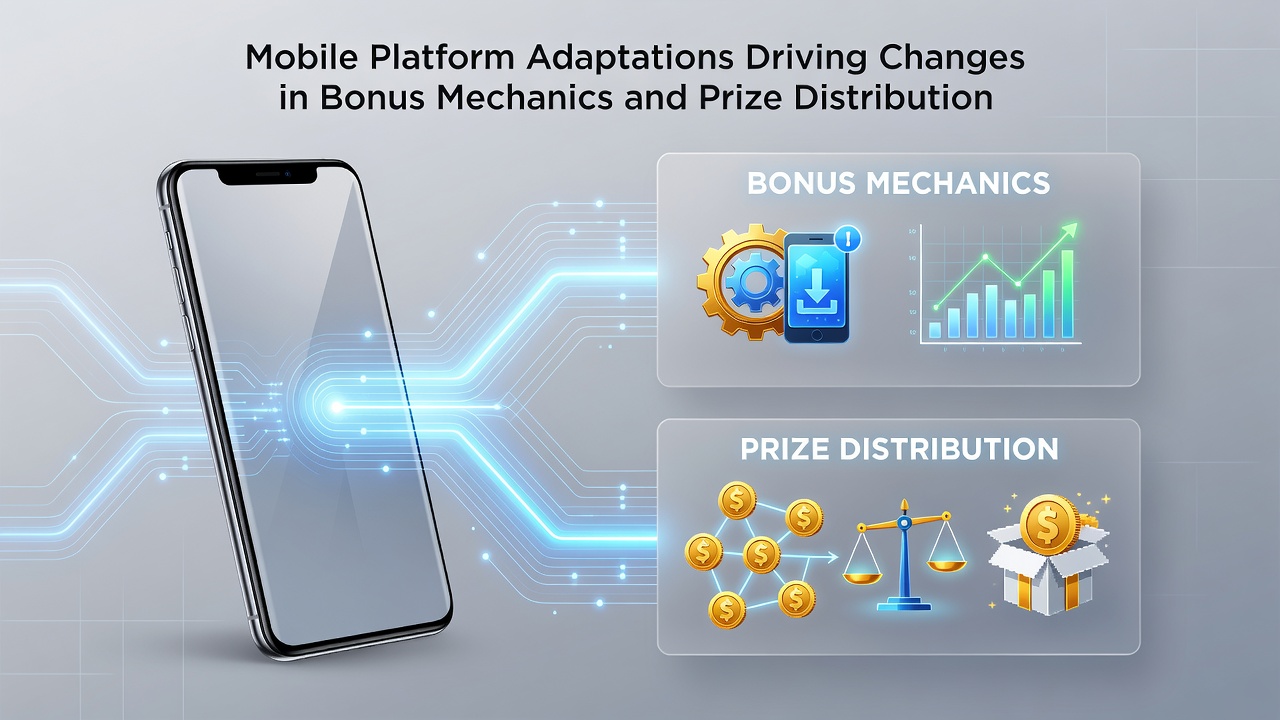
Multi-tier prize ladders replace single large jackpots in many titles, allowing players to unlock intermediate rewards through incremental progress tracked via cloud saves. These systems integrate with device push notifications that alert users when their accumulated progress reaches payout thresholds, and the approach reduces the frustration associated with abandoned mobile sessions. Industry data shows this structure improves retention metrics without altering overall prize pool percentages allocated by operators.
Regional Regulatory Influences on Mobile Adaptations
Regulatory frameworks outside the UK continue to shape how mobile bonus mechanics and prize systems develop, with bodies such as the Malta Gaming Authority and the Australian Communications and Media Authority enforcing rules that require transparent display of bonus terms on smaller screens. These requirements have led providers to simplify pop-up explanations and integrate progress bars directly into the main game view. European Gaming and Betting Association reports highlight that compliance updates in 2026 encouraged more cross-platform consistency in prize distribution algorithms, ensuring mobile players receive equivalent value propositions to desktop users.
Device fragmentation also plays a role, since operating system updates from major vendors introduce new constraints on background processing and notification handling that affect bonus accumulation features. Developers respond by creating lightweight versions of complex bonus engines that run efficiently on older hardware while preserving core reward mechanics.
Technical Integrations Driving Further Changes
Cloud-based player accounts now sync bonus progress across devices, and this capability allows prize distribution to continue seamlessly when users switch from mobile to desktop mid-session. Artificial intelligence tools analyze individual touch patterns to adjust bonus frequency dynamically within regulatory limits, though core random number generators remain independent of these personalization layers. Observers note that such adaptations appear most prominently in titles released after October 2026, when several major providers rolled out unified mobile-desktop frameworks.
Payment integration changes further influence prize mechanics, as instant mobile wallet withdrawals encourage smaller, more regular prize releases rather than accumulated large sums held until manual cashout. This shift aligns with user behavior data showing preference for immediate reward feedback on portable devices.
Conclusion
Mobile platform requirements continue to drive measurable changes in how bonuses activate and how prizes reach players, with data indicating sustained growth in mobile-specific feature adoption through late 2026. These adaptations reflect hardware realities and user habits rather than temporary trends, and regulatory oversight across multiple jurisdictions ensures the adjustments maintain fairness standards. Providers that align bonus timing and prize granularity with mobile constraints demonstrate stronger engagement metrics in available industry statistics.