Decoding Engagement Dynamics Through Stacked Bonus Layers in Regulated Mobile Gaming Systems
Eden Hayes · Nov 1, 2026
Decoding Engagement Dynamics Through Stacked Bonus Layers in Regulated Mobile Gaming Systems
Regulated handheld gaming environments rely on structured bonus accumulation systems to track and influence player behavior across multiple device platforms, and operators collect detailed metrics on how users progress through successive reward layers. These systems typically combine initial deposit matches with ongoing loyalty multipliers, daily login incentives, and tiered accumulation meters that unlock additional features after specific thresholds are met. Data collected from such platforms shows clear correlations between the depth of bonus layers and session duration patterns observed in compliant markets.
Regulatory Frameworks Shaping Bonus Design
Authorities in different jurisdictions enforce strict rules on how bonuses must be presented and tracked within mobile applications, which affects the way engagement data gets recorded. The New Jersey Division of Gaming Enforcement requires transparent reporting on bonus conversion rates and player activity tied to reward structures, while similar guidelines from the Malta Gaming Authority emphasize audit trails for layered promotions in handheld formats. Observers note that these requirements lead operators to implement centralized databases that log every interaction with bonus meters in real time.
Compliance teams monitor accumulation velocity because rapid progression through layers can trigger mandatory cooling-off notifications under various regional statutes. In November 2026 several European and North American regulators released updated technical standards that mandate timestamped records for each bonus tier reached on mobile devices, allowing authorities to cross-reference engagement spikes with responsible gaming interventions.
Mechanics of Layered Accumulation
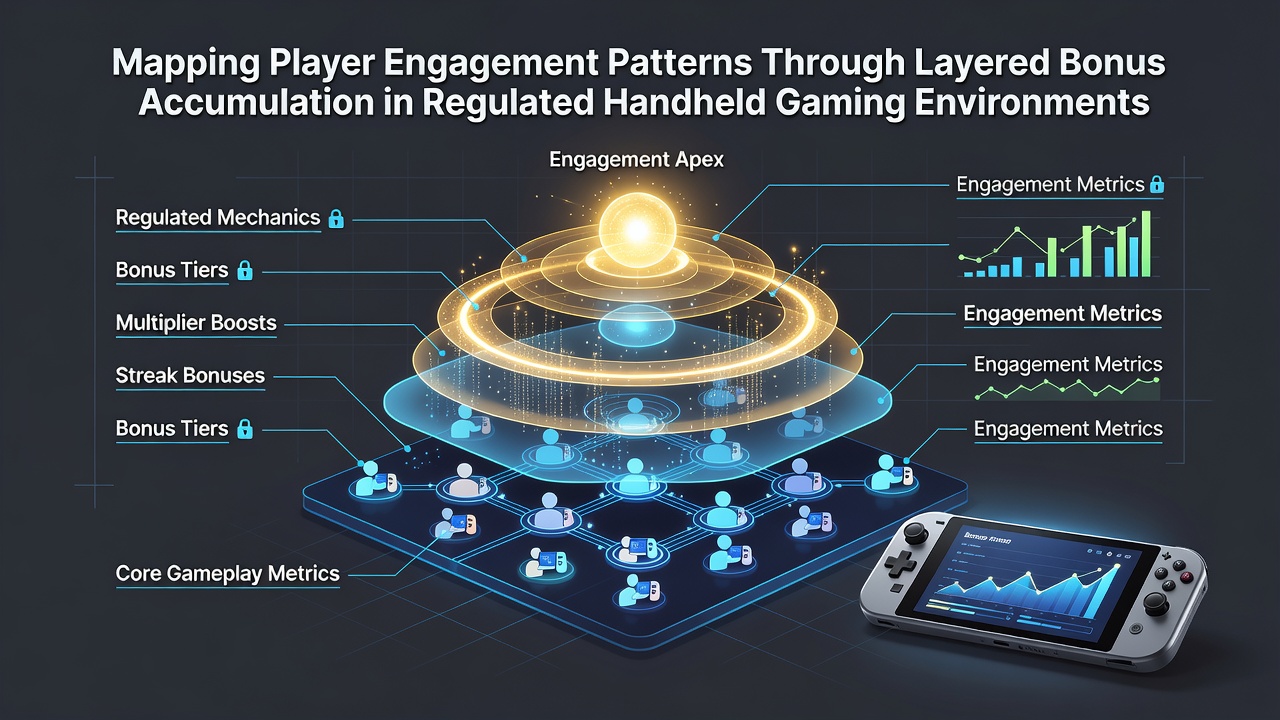
Modern mobile platforms arrange bonuses into sequential stages where base rewards feed into higher multipliers once players meet playthrough requirements. A typical structure begins with a welcome package that credits an initial amount, followed by a separate meter that collects points from regular spins or bets and converts them into free rounds or cashback after crossing defined thresholds. Research indicates that players who advance through at least three layers demonstrate extended play intervals compared with those who remain at the entry level, according to aggregated platform telemetry shared in industry reports.
Additional layers often incorporate time-limited challenges that reset or expand based on prior accumulation, creating feedback loops visible in session frequency data. Handheld environments benefit from push notifications that alert users when they near the next tier, and operators log the response rates to these prompts as part of their engagement mapping processes. Those who have studied these systems find that the stacking order of rewards directly influences whether users return within twenty-four hours or spread activity across longer intervals.
Data Collection and Pattern Analysis
Analytics platforms deployed in regulated markets capture granular information on how bonus layers affect retention and spend velocity. Metrics include the average number of sessions required to complete each tier, the percentage of users who abandon accumulation before unlocking higher rewards, and correlations between layer completion and changes in bet sizing. A study published by researchers at the University of Nevada, Reno examined mobile gaming datasets and identified distinct engagement clusters where users who consistently hit the fourth bonus layer maintained weekly activity rates 35 percent higher than baseline groups.
Operators feed these findings into predictive models that forecast churn risk based on stalled accumulation rates. The models incorporate variables such as time between layer completions and device type, since handheld sessions often occur in shorter bursts than desktop play. Figures released by the Australian Communications and Media Authority in late 2026 highlighted that mobile titles featuring four or more stacked bonus stages recorded steadier month-over-month retention than simpler single-layer offerings across multiple licensed operators.
Integration With Compliance Monitoring
Regulated environments require that bonus tracking systems also support responsible gaming tools, which means engagement mapping must flag unusual accumulation patterns that could indicate excessive play. Software integrates spend-limit reminders directly into the bonus meter interface, pausing progression until the player acknowledges the notification. Data from these integrated systems reveals that users who receive such prompts mid-layer tend to extend the interval between subsequent sessions, a pattern documented in compliance logs submitted to oversight bodies.
Cross-jurisdictional comparisons show variations in how quickly operators must report accumulation anomalies, yet the underlying data architecture remains similar. Teams responsible for these platforms routinely audit the accuracy of layer progression timestamps to ensure alignment with regulatory reporting deadlines.
Conclusion
Layered bonus accumulation serves as both a player retention mechanism and a data source for mapping engagement within regulated handheld gaming. The combination of sequential reward stages, real-time logging, and compliance overlays produces detailed behavioral profiles that regulators and operators alike review to maintain market integrity. Continued refinement of these systems in November 2026 and beyond depends on consistent data standards across regions and ongoing analysis of how users navigate each successive tier.