Cluster Formations Alter Feature Activation Patterns in Leading Slot Studios
Eden Keller · Oct 18, 2026
Cluster Formations Alter Feature Activation Patterns in Leading Slot Studios
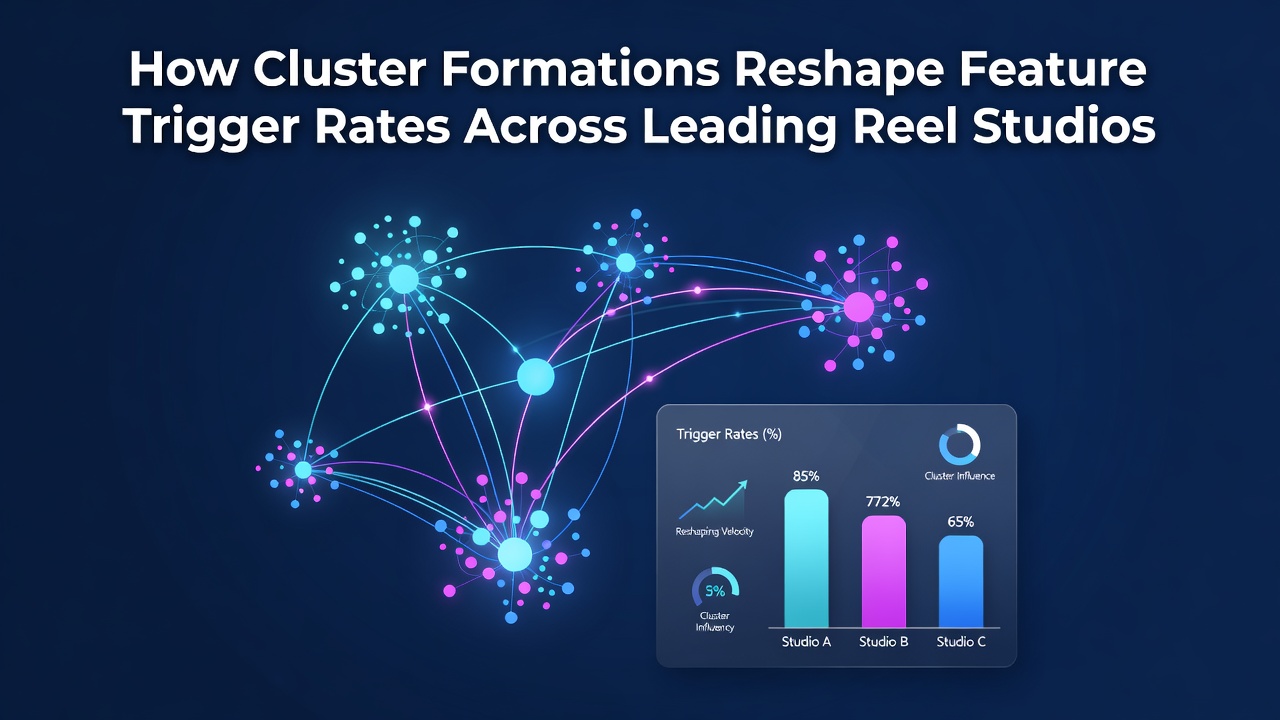
Cluster formations have shifted how feature triggers operate across major reel studios, replacing traditional payline counts with adjacency rules that activate bonuses through grouped symbols rather than fixed lines, and data from industry reports shows these changes affect hit frequencies in measurable ways during October 2026 testing cycles.
Mechanics Behind Cluster-Based Triggers
Studios configure clusters as connected groups of matching symbols that must reach minimum sizes, usually five or more, before they register wins and launch modifiers, while the same groupings simultaneously feed into free spin meters or multiplier ladders that build during base play, and this dual role means a single cluster event can influence both immediate payouts and longer-term feature access rates.
Design teams adjust reel strips and symbol weights to balance cluster probability against overall return percentages, yet the adjacency requirement creates different variance curves compared with scatter or line-based systems because multiple clusters can form on one spin whereas lines remain independent, and observers note that providers track these interactions through simulation software before final builds reach testing phases.
Provider-Specific Adjustments to Trigger Rates
Leading studios modify cluster thresholds and symbol distributions differently, with some favoring larger minimum groups to reduce base-game frequency while increasing the value of each triggered feature, whereas others lower the cluster size to raise hit rates and maintain player engagement across extended sessions, and figures released by the Nevada Gaming Control Board indicate measurable shifts in bonus round entries when cluster rules replace older line structures.
Reel layouts expand or contract based on these choices, with 6x6 or 7x7 grids appearing more often in cluster titles because they support bigger adjacent groups without crowding the screen, and software updates in 2026 refined the weighting algorithms so that high-value symbols cluster less often in early reels while low-value fillers maintain the visual density needed for frequent smaller groups.
Data Patterns Across Recent Releases
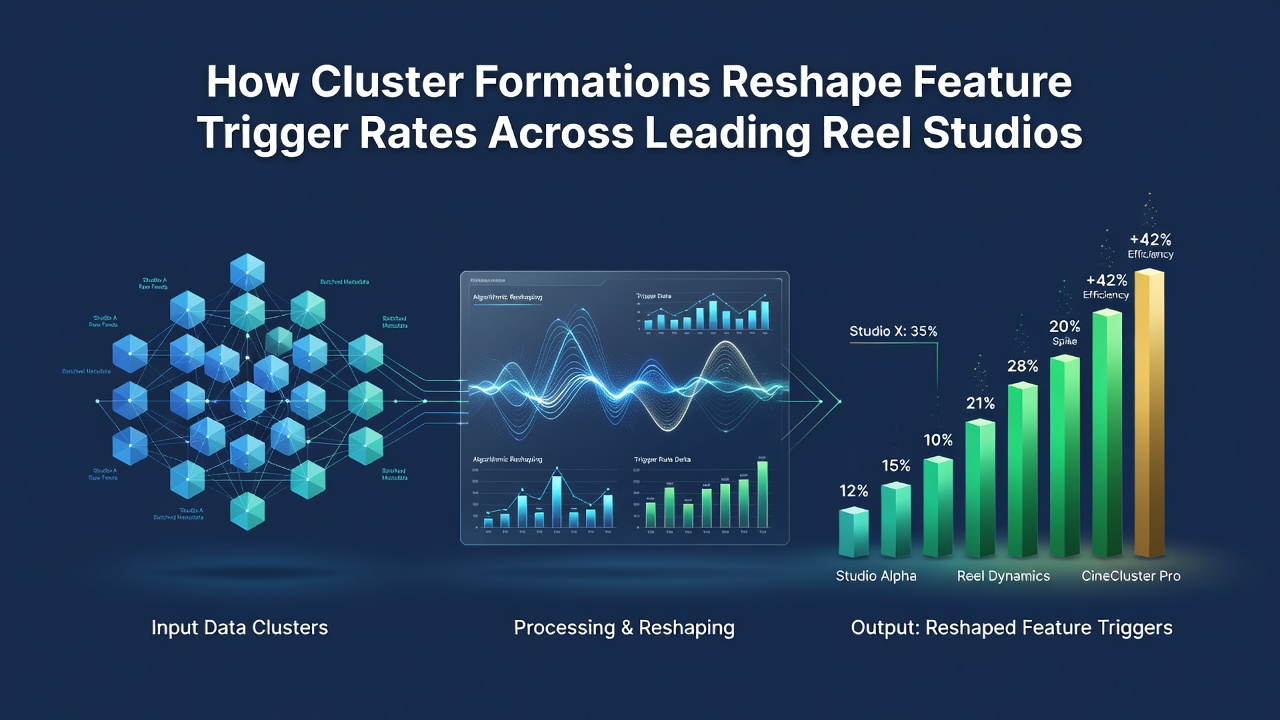
Internal testing logs shared at industry conferences reveal that cluster titles post higher average feature entries per 100 spins when the grid supports cascading removals after each group clears, because cleared symbols allow new clusters to form on the same spin and extend the sequence, and this cascading effect compounds the trigger opportunities beyond what static reels produce.
Research from the University of Nevada, Las Vegas gaming studies department examined several cluster implementations and recorded that feature trigger rates rose between 12 and 18 percent when cascades remained active versus fixed-reel equivalents, although the increase depended on how many symbol types participated in cluster formation and how the bonus meter filled per group.
Integration With Free Spins and Modifiers
Free spin rounds in cluster games often inherit the same adjacency rules, yet studios add persistent wilds or expanding symbols that raise the chance of oversized clusters during the bonus, and these additions create feedback loops where early triggers improve later ones within the same round, and data shows this structure lengthens average bonus duration without altering the base RTP targets.
Some providers attach progressive multipliers to successive clusters, so each new group formed during a cascade or free spin round increases the payout coefficient, and this mechanic encourages longer play sequences while keeping the overall return within regulatory bands monitored by bodies such as the Australian Communications and Media Authority.
Conclusion
Cluster formations continue to influence how often features activate because the adjacency system interacts directly with reel layout, cascade behavior, and symbol weighting in ways that traditional lines did not, and ongoing adjustments by reel studios demonstrate that trigger rates remain a core variable tracked through simulation and live data across multiple jurisdictions.